Carbon Removal Technology · Field Pilot Coming Soon

Refining
the Sky.

The atmosphere has been absorbing the cost of progress for 200 years. We're building carbon removal technology to change that. Permanently.

Get in Touch
Works Anywhere
No pipelines. No massive power grid. If there's air, GAIA can work.
Fits Existing Operations
Designed to deploy alongside industries already on the ground.
Permanent Removal
CO₂ captured and stored underground, verifiably and for good.

How it Works

Four stages. Two closed loops. Pure CO₂ permanently buried.

Stage 01
Catch

Air enters the platform's liquid capture system. CO₂ bonds with our capture solution, drawing it out of the atmosphere at ambient temperature and pressure. No heat required.

Stage 02
Free

A bio-electrochemical process generates the energy needed to release pure, concentrated CO₂ from the loaded capture solution. At ambient temperature. No combustion.

Stage 03
Reset

The liquid capture solution is regenerated and recirculated. The cycle restarts, continuously. The platform runs itself.

Stage 04
Bury

A pure, concentrated stream of CO₂ exits the platform ready for permanent underground storage. Measurable. Verifiable. Gone for good.

Why We Exist

Response + Ability

If the ability to respond exists, the obligation to act follows.

The world needs less CO₂ in the atmosphere. We built the technology. Now let's use it.

The Science Based Targets initiative recently introduced a new accountability category: ongoing emissions responsibility — the formal recognition that companies with the ability to remove carbon have an obligation to act on it. Not blame. Not compliance. Ability, meeting action.

We built the technology before the category existed.
That's the whole point.

The Platform

Modular. Licensable. Structured for multiple deployment models.

The platform is designed to be licensed into existing industrial operations and sequestration infrastructure. Partners bring the site. We bring the capture technology.

Built for Industry

The platform integrates with bio-industrial facilities to generate new carbon revenue from existing operations. No change to core business. Low-friction deployment with a fast path to compliance and clean fuel markets.

Built to Scale

The platform is not dependent on huge clean grid energy, and since air is everywhere, only the sequestration site binds deployment. Therefore our platform is addressable across the full global storage universe. Clean accounting. One grade. One lane.

GAIA Advantage

Not a Plant. Not a Project.
A Platform, Built to Scale.

We're not betting on one site, we're building
a platform that wins across all of them.

01 · Energy

Designed Around Efficiency

GAIA's process rethinks its energy sources, making it practical to run almost anywhere without a strain on the grid.

02 · Flexibility

Goes Where Others Can't

GAIA doesn't need to be built near a renewable energy farm or a CO₂ pipeline. It can go directly to an underground storage site, opening up a much wider map of places where carbon removal is actually possible.

03 · Impact

Real, Permanent Removal

The CO₂ GAIA captures doesn't get offset or traded on paper. It goes underground, permanently. The kind of removal scientists say we actually need to address what's already in the atmosphere.

The Leverage Effect

One molecule in. Up to 14 CO₂ out.

GAIA's process doesn't burn ethanol to generate heat. One molecule of ethanol drives the capture and concentration of up to 14 molecules of CO₂ from the atmosphere. No combustion. No waste heat. Just leverage. The mechanism is proprietary. The ratio speaks for itself.

1

Ethanol molecule in
No combustion

GAIA
Bio-Catalytic Process

Up to 14 CO₂ molecules
Captured & concentrated

14×
Capture leverage
Zero
Combustion
Ethanol drives, not burns
Pure
CO₂
Concentrated stream out

Where DAC Can Actually Go

The Constraint Is the Opportunity.

DAC projects need gigawatts of renewable power. GAIA's low-energy design reduces dependence on grid power by 10x, making it deployable where conventional DAC cannot go.

Operational projects need CO₂ pipelines. Many are stuck in regulatory approval cycles, or don't exist yet.

The overlap between sites with available low-carbon power and approved sequestration is vanishingly small. GAIA's modular units can be deployed directly at sequestration sites, eliminating the need for CO₂ transport infrastructure. And because GAIA isn't constrained by grid access or pipeline infrastructure, it can operate at sequestration sites that are out of reach for conventional DAC.

Renewable Energy Hotspot (Claimed by AI Data Centers)
CO₂ Pipeline (Planned — Not Yet Built)
Viable DAC Site Under These Constraints
Active DAC Hub (click for details)
Constraint 01

Renewable Power Already Spoken For

Large-scale DAC requires hundreds of megawatts of clean electricity. The best renewable sites across the U.S. Southwest and Great Plains are under long-term contracts with tech hyperscalers building AI infrastructure. Existing DAC hubs like Stratos and Project Bison were sited specifically because this energy was available. There are very few places left like that.

Constraint 02

CO₂ Pipelines Are Still on Paper

Transporting captured CO₂ to geological storage requires dedicated pipeline infrastructure. Most proposed routes are still in permitting or early construction. Projects dependent on this network are stalled waiting for rights-of-way that don't exist yet.

GAIA's Approach

Any Approved Site. Rail-Ready Ethanol. Minimal Grid Draw.

GAIA's bio-electrochemical process runs at low electrical load and uses ethanol as the energy carrier. Ethanol ships by rail. Approved sequestration sites already exist across North America and beyond. GAIA can deploy at existing DAC hubs, and at every sequestration-approved site they can't reach.

Founded By

The team behind the technology.

Genny Shaw
Genny Shaw
Co-Founder & CEO

Industry strategist and entrepreneur driving GAIA's commercial development, partnerships, and go-to-market. Focused on building the bridge between carbon removal technology and the industries that need it most.
Dr. Tammy Cai
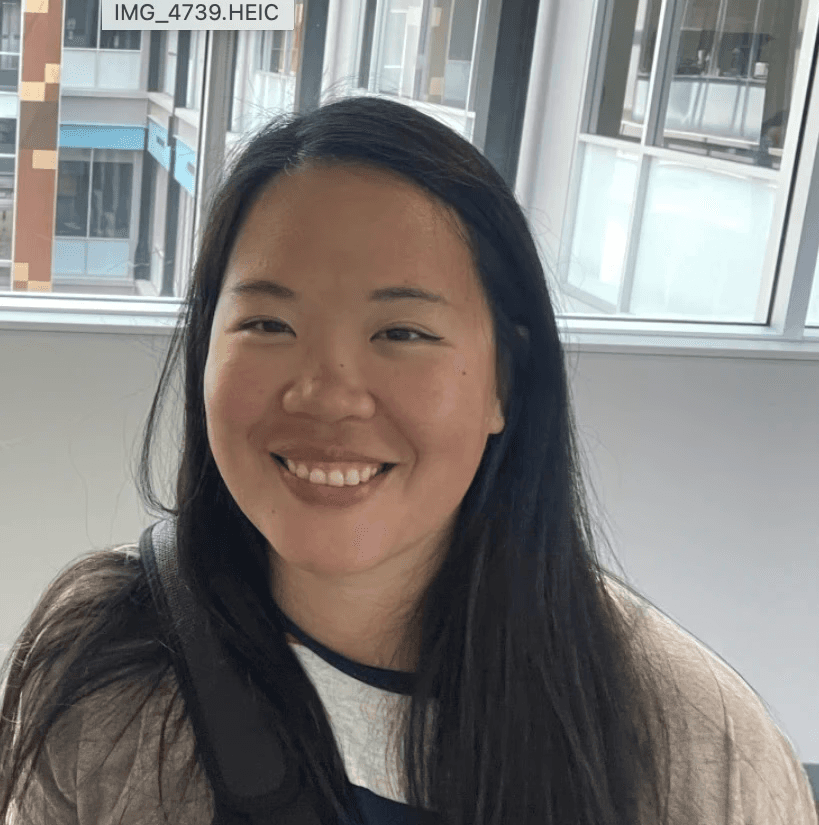
Dr. Qinhong (Tammy) Cai
Founder & CTO

Research scientist and engineer behind GAIA's core IP. Deep expertise in biology, chemistry, environmental engineering and carbon capture pathways. The inventor of the bio-electrochemical system at GAIA's core.

"We didn't start with a market. We started with a question: if we can build something that removes carbon from the atmosphere permanently, don't we have to? That question is still the reason we come to work."
Genny Shaw & Dr. Tammy Cai — Co-Founders, GAIA Refinery

Who We Work With

One Platform. Multiple Market Lanes.

GAIA's platform is designed to work with partners who bring the Site, the Storage, or the Demand. We bring the capture IP.

Industrial Partners

Fuel Producers & Bio-Industrial Operators

Partners looking to generate new carbon revenue from existing operations, accessing compliance and clean fuel markets without changing their core business.

Storage & CDR

Sink Operators & CDR Buyers

Partners with geological storage seeking proven capture IP, and buyers who need high-integrity, removal-grade CO₂ tonnes.

Let's talk.

Open to conversations with the right partners, customers, and investors.

Investor Access

Partner & Investor View

Enter your access code to view the platform overview and deployment intelligence.

Incorrect code. Please try again.

Cancel